


12 Mar
High Logistics Costs Pose a Challenge to Inter-Island Goods Distribution
Entering early 2025, national logistics costs remain a major concern, particularly in inter-island goods distribution. This increase impacts not only the trade sector but also contributes to inflation and economic inequality across various regions of Indonesia.
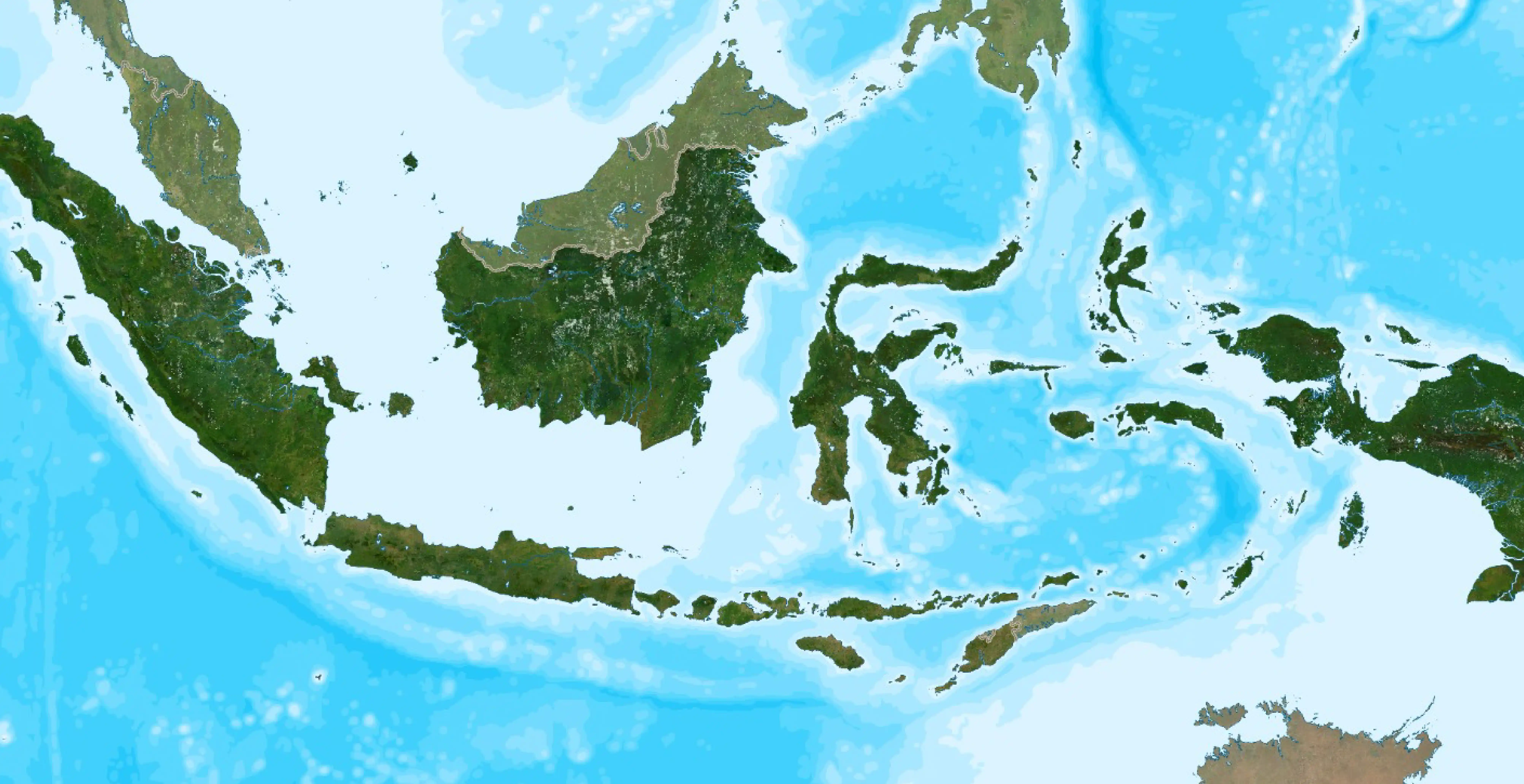
As an archipelago nation with over 17,500 islands, goods distribution in Indonesia faces unique challenges. According to Joewono Sudarsono, a researcher from the Center for Transportation and Logistics Studies, high logistics costs are largely attributed to reliance on sea transport. “This situation necessitates the use of ships for cargo transport, thus increasing costs,” said Joewono.
Read also: China Becomes the Main Importer of Ready-Made Garments to Indonesia
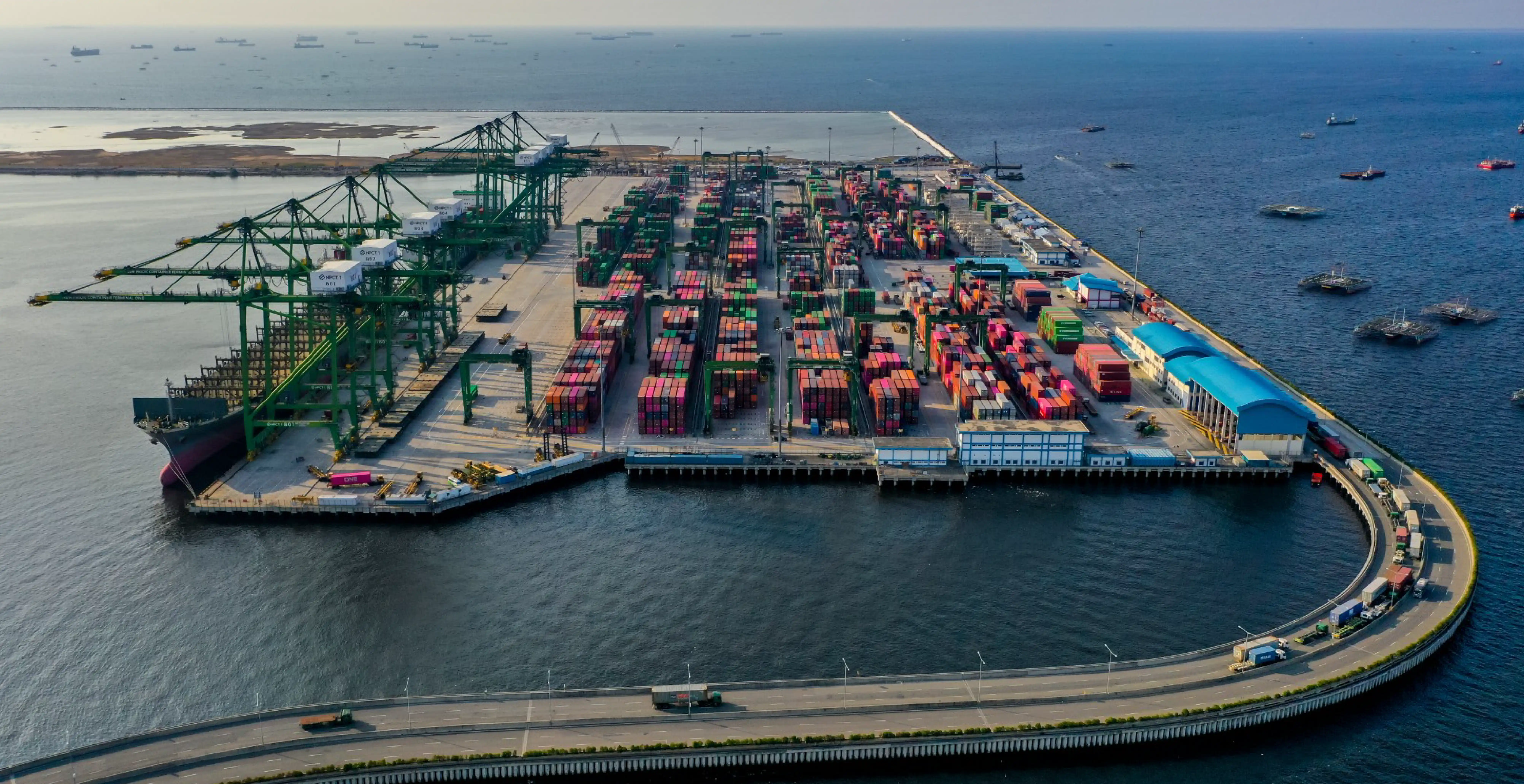
Besides sea transport, logistics costs are also influenced by port service charges and inefficient loading and unloading processes. Long vessel waiting times at ports increase operational costs, thus contributing to high national logistics costs. On the other hand, land transportation costs from production locations to ports also determine the overall logistics costs, especially if the distance is long and the transported cargo volume is low.
“This will certainly impact vessel operational costs, and this can add to the total ship transportation tariff. Not to mention the land transportation costs that must be incurred to transport goods from the production location to the hub (Port) which will be positively correlated to the distance factor and also the cargo,” he explained.
Joewono explained that logistics costs consist of transportation costs, storage costs, and administrative costs such as permits and others. Of these three aspects, transportation is the main factor in determining total logistics costs. In the context of sea transport, freight rates are highly dependent on cargo volume; the larger the quantity of goods transported, the lower the per-unit tariff.
“Like the volume transported, where the higher or larger the volume transported can suppress the freight rate or lower it, and vice versa,” he explained.
To address high logistics costs, Joewono suggests a strategy of cargo consolidation in production areas to increase shipment volume and efficiency. Furthermore, improvements in port infrastructure, including better loading and unloading facilities, can speed up distribution and reduce vessel waiting times. With these measures, it is hoped that national logistics costs can be reduced and inter-island goods distribution can become more efficient.
Read also: Import Trends & Efficient Ways to Manage Goods Shipments During Ramadan
Source:
Rising Logistics Costs Challenge Inter-Island Goods Distribution
