


03 Jan
Advanced Container Scanner Officially Operates in Tanjung Priok: Can it Curb Export-Import Violations?
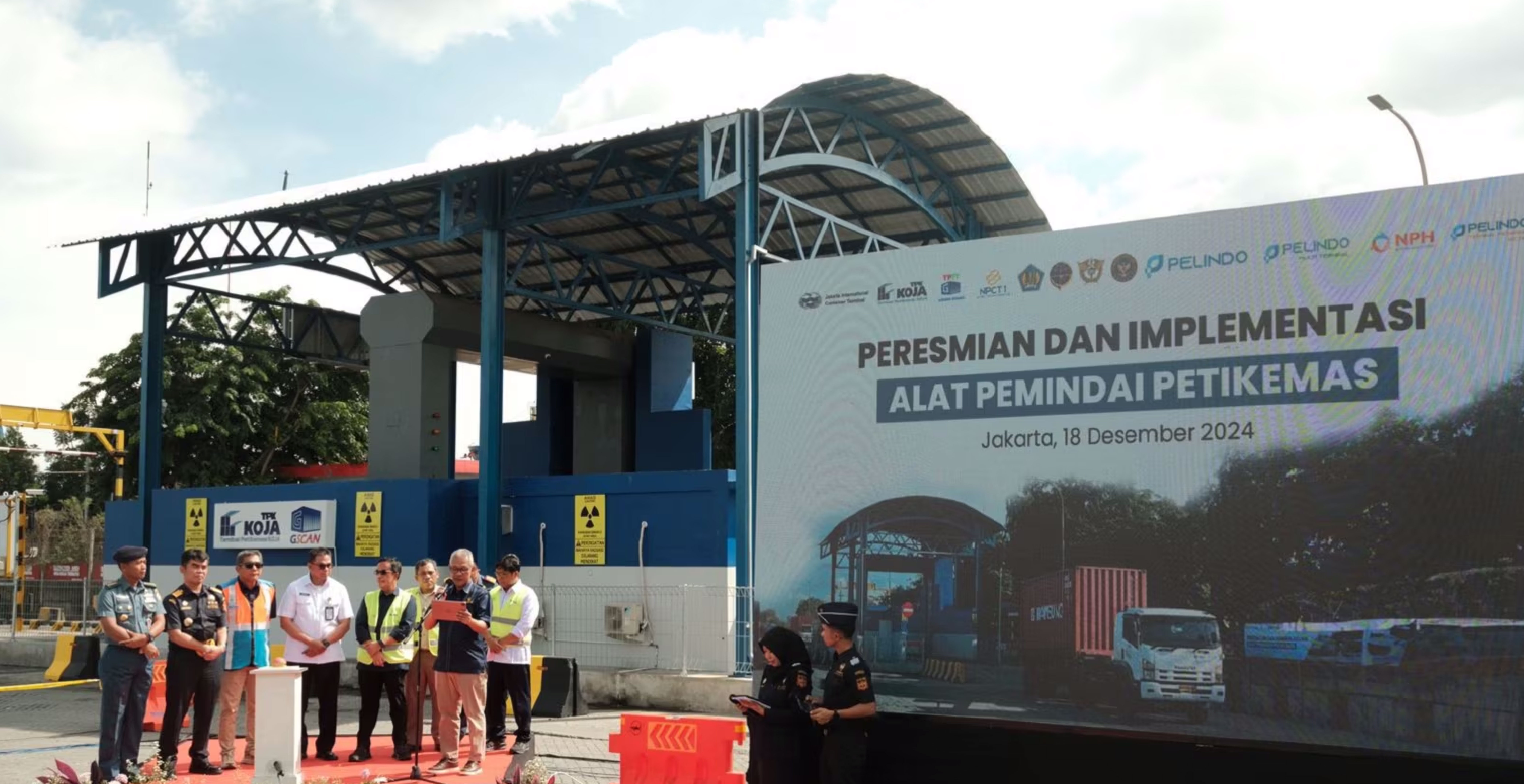
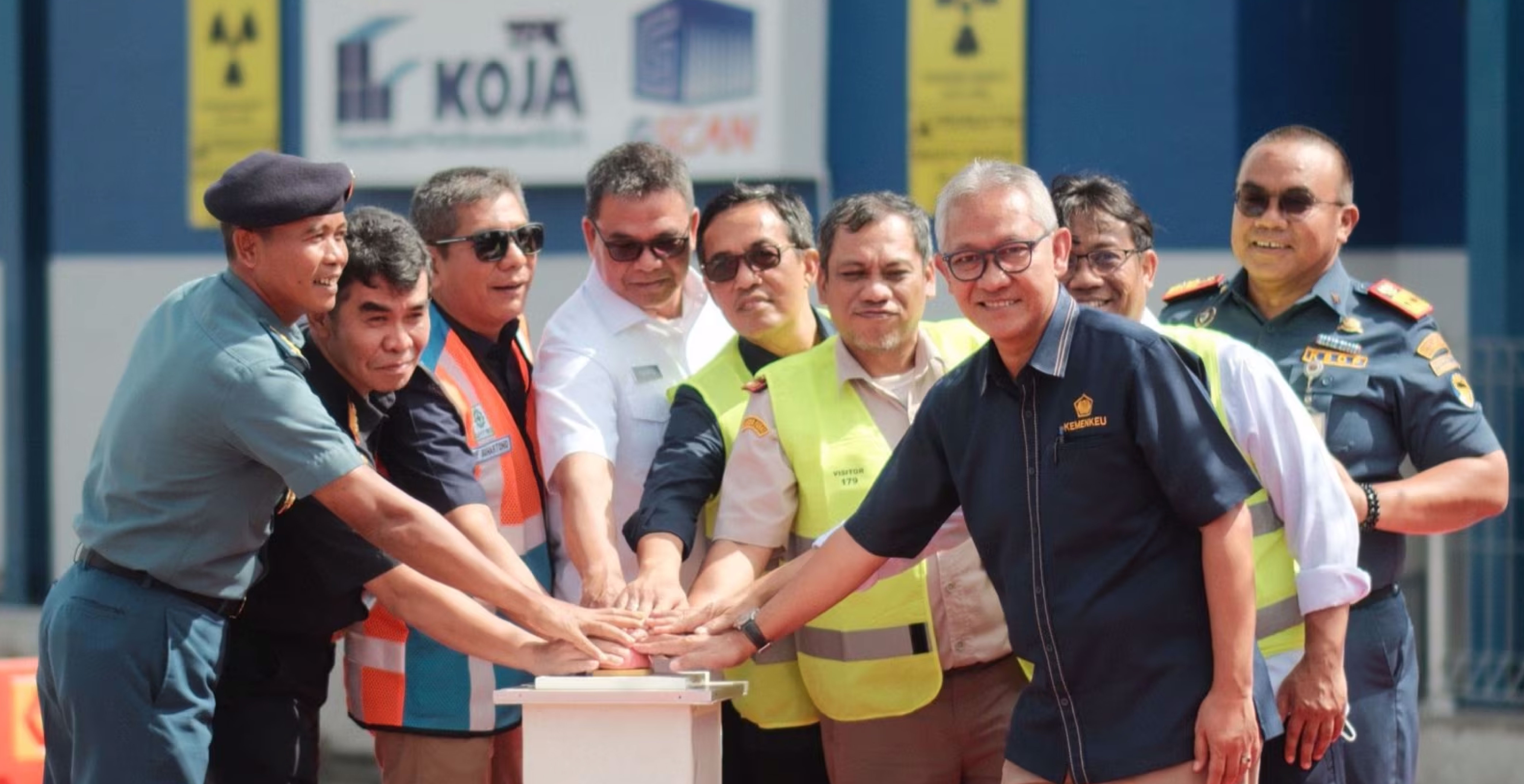
The Directorate General of Customs and Excise, Ministry of Finance, has officially launched advanced container scanning equipment at Tanjung Priok Port. This step is part of the government's efforts to combat smuggling of export and import goods, while also enhancing efficiency and transparency in port management.
source: Dok. Voaindonesia.com
The Director General of Customs and Excise, Askolani, stated that this technology allows for stricter monitoring of all containers.
“At the very least, we can be competitive with other countries in terms of technology, services, and supervision. With this scanning equipment, we can monitor every export and import container one by one, ensuring none are missed,” Askolani said. He hopes that with this technology, the government will be able to monitor the movement of goods entering and leaving the port more quickly, transparently, and effectively.
Ten scanners have been installed at Tanjung Priok with a budget of approximately IDR 250 billion. By 2025, the government plans to expand the use of similar equipment to other major ports, such as Tanjung Emas (Semarang), Tanjung Perak (Surabaya), and Belawan (Medan) by 2025.
Read more: Indonesia's Record Exports in August 2024: Highest in 20 Months
These scanners can quickly and accurately detect various types of goods, including waste and narcotics. This technology is expected to expedite the inspection process, reduce dwelling time, and increase Indonesia’s competitiveness in the region. Currently, Indonesia's dwelling time is 2.71 days, with the customs clearance process taking 0.3–0.4 days.
Askolani gave the example of Singapore and Thailand, where scanning is conducted on all containers. This allows physical inspections of imported goods to be completed in minutes, reducing waiting time or dwelling time.
"We will see how the implementation goes. But the hope is that we will reduce it further from 2.7 days. Besides using this technology, we are also coordinating the end-to-end business processes, from port authorities, to make things more efficient. We know that dwelling time involves many factors, including Pelindo, quarantine, customs, and others. We view it end to end, and we want to make the business processes more efficient and competitive with the help of the x-ray equipment," he explained.
Although the technology is newly implemented, customs violations remain a significant challenge. As of 2024, customs violations have increased. There have been a total of 2,142 enforcement actions, the majority of which were related to imports. Specifically, there were 2,048 import violations and 94 export violations, a significant rise compared to 2023, which saw 1,005 cases.
According to data from Tanjung Priok Customs, the export and import volume has shown a decline by December 2024. Import containers were recorded at 1.2 million, while export containers numbered 765,143. However, violations remain high, particularly regarding prohibited and restricted goods.
Read more: Indonesia and Hong Kong Encouraged to Strengthen Logistics Sector Collaboration
Askolani emphasized the importance of education to encourage compliance among business players. “We are also educating business operators and hope that they will comply and be honest in the export and import customs process. Their documents must be correct. If they consistently follow the rules, then our supervision will be minimal and more effective. We are not aiming for the highest number of violations. If businesses comply, the number of violations can be minimized. This is what we are educating, especially for high-risk exporters and importers, and reminding them to conduct their business normally,” he explained.
The government is optimistic that the innovation of these scanning devices will be a step forward in creating safer, more efficient, and more competitive ports in the international market. With tighter supervision, it is hoped that violation rates will decrease, and the export-import process will run more smoothly.
source:
Customs Installs Advanced Container Scanners at Ports to Monitor Exports and Imports
