


09 Sep
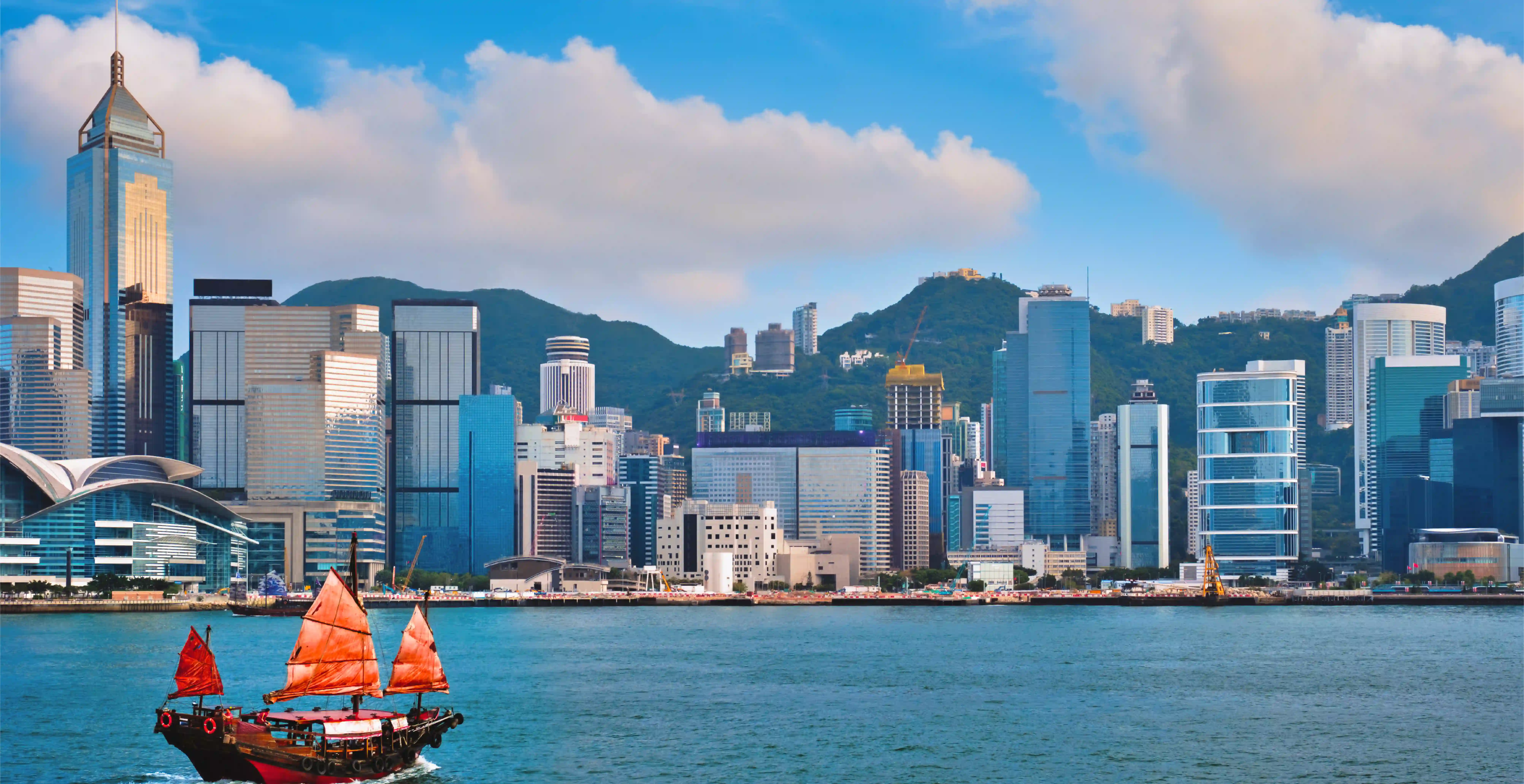
This is why Hong Kong still retains its title as Asia's World City
Hong Kong is not just a major Asian city; it has long established itself as a key global hub. Its identity as “Asia’s World City” reflects a blend of economic strength, cultural richness, and global connectivity, making it a regional center for international business and a major city in China.
This title wasn't achieved overnight. Since the late 1990s, the Hong Kong government recognized the need for a strategy highlighting the city's potential as an international center connecting East and West. This initiative led to the Brand Hong Kong program in 2001, a significant step reaffirming Hong Kong's position on the world stage.
The idea of establishing Hong Kong's identity as Asia’s World City was first proposed by Chief Executive Tung Chee Hwa in his 1999 policy address. A year later, recommendations from a strategic commission spurred the launch of a global campaign. The culmination was the official launch of Brand Hong Kong in May 2001 at the FORTUNE Global Forum, attended by over 500 global business leaders, including Bill Clinton.
This program emphasized a key message: Hong Kong is a nexus of opportunity, creativity, and entrepreneurship. With world-class infrastructure, a strategic location, and global networks, Hong Kong is not just a market, but a vital partner in realizing international ambitions.
Here are some key reasons why Hong Kong maintains its title as Asia’s World City.
1. Visual Identity: Modern Dragon and “Asia’s World City”
A crucial element of Brand Hong Kong is its visual identity: a modernized dragon. This symbol unites the Chinese characters for “Hong Kong” with the letters “HK,” depicting a harmony between Eastern tradition and Western modernity.
The tagline “Asia’s World City” complements this symbol, reinforcing the message that Hong Kong is a global city rooted in Asia yet open to the world.
2. Invest Hong Kong: Attracting Global Investment
In 2000, the government established Invest Hong Kong to coordinate efforts to attract foreign investment. Within two years, the number of international companies with regional offices in Hong Kong surged.
By mid-2001, over 3,200 foreign companies were operating in the city—the highest number since records began. They operate across various sectors, from trading and finance to professional services and electronics manufacturing. This surge was driven by Hong Kong's strategic geographic position at the mouth of the Pearl River Delta and the increasing attractiveness of the Chinese market after its accession to the WTO.
Read also: Becoming the Richest Country in Southeast Asia: Discover the Best Favorite Destinations in Singapore
3. West Kowloon: Towards a Global Arts and Culture Hub
Hong Kong doesn't rely solely on economic strength. It also cultivates an image as a center for arts and culture. The ambitious project in West Kowloon, a 40-hectare waterfront area, is designed to become a world-class arts and entertainment district.
Backdropped by the iconic Victoria Harbour, this area is projected to become Hong Kong's version of Broadway. An international design competition attracting 161 participants was won by British architectural firm Foster and Partners, with a futuristic and iconic large canopy design.
This district is expected to enrich the lives of local residents, attract regional tourists, and further solidify Hong Kong's position as a global cultural hub.
4. Hong Kong possesses a globally networked transportation hub.
Hong Kong boasts Hong Kong International Airport (HKIA), one of the world's busiest airports for both cargo and passengers. Additionally, Hong Kong has the world's busiest and most efficient container port, handling around 18 million TEUs in 2020. Around 280 container vessel voyages connect to over 600 destinations worldwide every week.
As of June 2025, 2,266 vessels were registered under the Hong Kong Shipping Registry, with a total capacity of 129 million gross tonnes.
The moniker Asia’s World City affirms Hong Kong's dynamic identity. As an international freight forwarder, Hyper Mega Shipping (HMS) recognizes the importance of Hong Kong's strategic role. Therefore, we have established an official branch in the city to support logistics and shipping needs.
Read also: The Importance of Shipping Insurance: Protecting Your Import and Export Goods from Loss
Source:
https://www.info.gov.hk/info/sar5/easia.htm
https://www.brandhk.gov.hk/uploads/brandhk/files/factsheets/Hong_Kong_Themes/Asias-world-city-E.pdf
https://research.hktdc.com/en/article/MzExMjkxOTgy?utm_source=chatgpt.com
